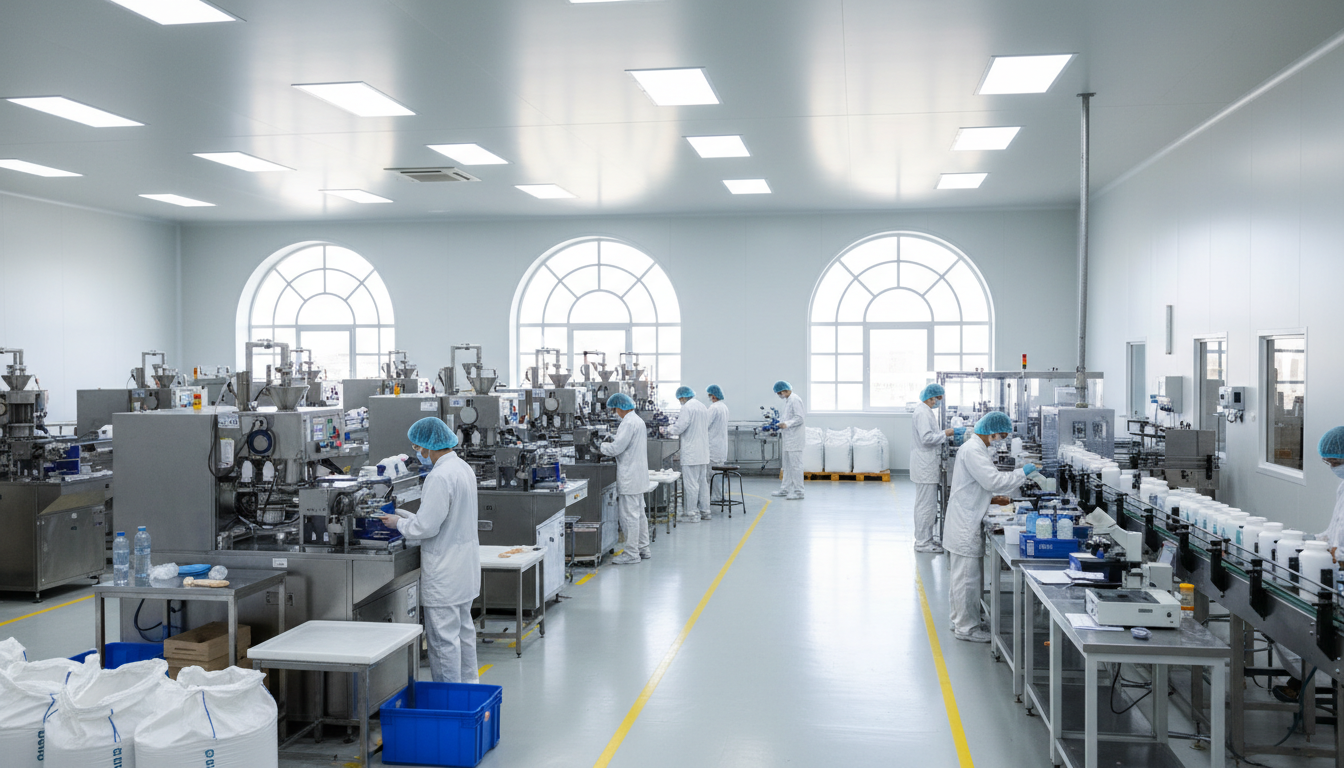
Good Manufacturing Practices (GMPs) form the foundation of every effective food safety system. While most food manufacturers understand the importance of GMPs, many audit findings and food safety issues continue to originate from basic GMP deficiencies rather than failures of complex food safety programs.
The challenge is that GMP issues often develop gradually. Small deviations become accepted practices, and over time employees stop recognizing them as risks.
Understanding these commonly overlooked deficiencies can help organizations strengthen food safety performance and improve audit readiness.
1. Inadequate Employee Practices
Employees have a direct impact on food safety every day. Yet many facilities struggle with inconsistent compliance related to:
Handwashing practices
Glove use
Jewelry policies
Personal item control
Employee traffic patterns
Hygienic behavior in production areas
Even facilities with strong written policies can experience problems when expectations are not consistently reinforced.
2. Poor Facility Condition
Facility deterioration often occurs gradually, making it easy to overlook.
Common examples include:
Damaged walls and ceilings
Cracked floors
Worn seals and gaskets
Water intrusion
Condensation issues
Poorly maintained doors
These conditions can create sanitation challenges and increase contamination risks.
3. Inconsistent Sanitation Verification
Many companies perform cleaning activities but fail to adequately verify their effectiveness.
Verification may include:
Pre-operational inspections
ATP testing
Environmental monitoring
Visual inspections
Corrective action follow-up
Without verification, organizations may have limited evidence that sanitation controls are functioning as intended.
4. Weak Preventive Maintenance Programs
Equipment failures often create food safety risks before they create production problems.
Common concerns include:
Worn equipment surfaces
Missing hardware
Lubricant leaks
Damaged food contact surfaces
Temporary repairs becoming permanent solutions
A strong preventive maintenance program supports both food safety and operational reliability.
5. Ineffective Chemical Control
Cleaning chemicals, lubricants, pesticides, and maintenance chemicals must be properly controlled throughout the facility.
Common findings include:
Unlabeled containers
Improper storage
Incomplete inventories
Lack of employee training
Inadequate segregation from food ingredients and packaging
Chemical control remains an important component of GMP compliance.
6. Inadequate Employee Training
Many organizations conduct annual training but fail to verify employee understanding.
Effective GMP training should help employees understand:
Why requirements exist
Their individual responsibilities
Potential food safety risks
Corrective actions when problems are identified
Training should be continuous rather than viewed as a once-per-year event.
7. Management Tolerance of Small Deviations
Perhaps the most overlooked GMP deficiency is organizational acceptance of minor nonconformances.
Examples include:
Temporary housekeeping issues
Minor sanitation deficiencies
Repeated documentation errors
Delayed corrective actions
Inconsistent enforcement of GMP expectations
When small issues are routinely accepted, they often become part of the facility’s culture.
Final Thoughts
Strong GMP programs provide the foundation for HACCP, food safety systems, customer requirements, regulatory compliance, and certification programs such as SQF.
Organizations that consistently maintain GMP standards are often better positioned to prevent food safety incidents, reduce audit findings, and support long-term operational success.
How Precision Food Advisory Can Help
At Precision Food Advisory, we help food manufacturers strengthen food safety systems, prepare for audits and inspections, improve regulatory compliance, and build practical programs that support long-term operational success. Whether your organization is preparing for SQF certification, strengthening HACCP programs, improving GMP compliance, or addressing specific food safety challenges, we provide hands-on guidance tailored to your operation.
To learn more about our food safety consulting services, contact Precision Food Advisory today.