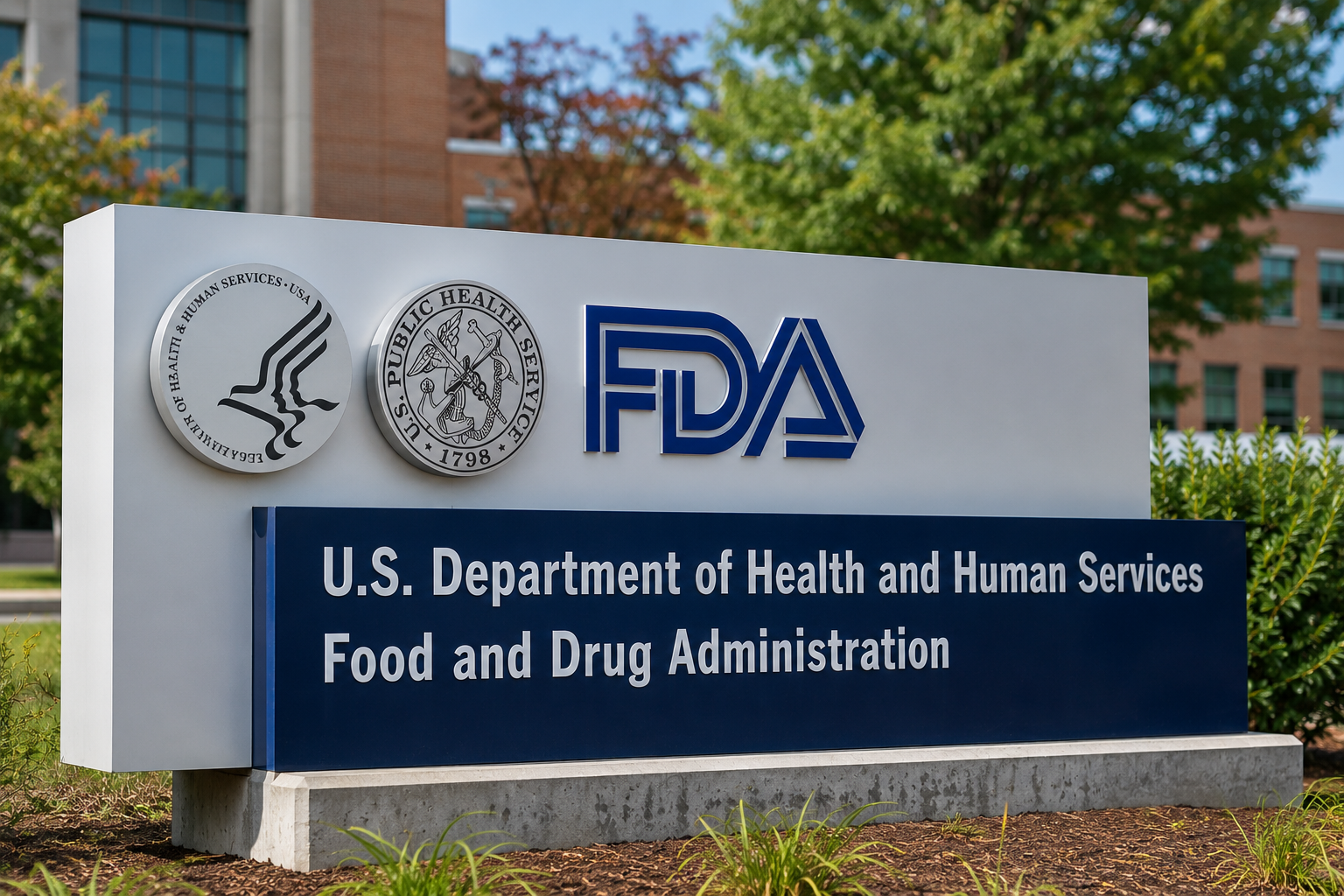
For many food manufacturers, few events create more anxiety than an FDA inspection. While inspections can feel intimidating, facilities that maintain strong food safety systems and stay prepared year-round are typically able to navigate inspections successfully.
The key to a successful inspection is understanding that FDA inspectors are not simply reviewing paperwork. They are evaluating whether your organization has effective systems in place to produce safe food and comply with applicable regulations.
Understand the Purpose of the Inspection
FDA inspections are designed to assess compliance with food safety regulations and evaluate whether a facility is operating in a manner that protects public health.
Inspectors may review:
Food safety plans
GMP programs
Sanitation practices
Employee training records
Supplier controls
Recall procedures
Allergen management programs
Complaint investigations
Corrective actions
Facilities should be prepared to demonstrate both documentation and implementation.
Maintain Inspection Readiness Year-Round
One of the most common mistakes organizations make is treating inspection readiness as a short-term project.
Facilities that perform well during inspections typically:
Maintain organized records
Conduct regular internal audits
Address deficiencies promptly
Train employees consistently
Review food safety systems routinely
Preparation should be continuous rather than beginning only after receiving notice of an inspection.
Ensure Documentation Is Organized
Documentation is often one of the first areas inspectors review.
Records should be:
Complete
Accurate
Legible
Readily accessible
Retained according to company procedures
Disorganized records can create unnecessary delays and may raise concerns about overall program effectiveness.
Review GMP Compliance
Inspectors spend significant time observing facility conditions and employee practices.
Common areas of focus include:
Employee hygiene
Handwashing practices
Facility cleanliness
Equipment condition
Chemical control
Pest management
Product handling practices
Strong GMP compliance demonstrates management commitment to food safety.
Verify Employee Readiness
Employees should understand their responsibilities and be comfortable answering basic questions related to their jobs.
Inspectors may ask employees about:
Sanitation procedures
Food safety practices
Monitoring activities
Corrective actions
Training received
Well-trained employees often make a positive impression during inspections.
Evaluate Corrective Action Programs
FDA inspectors frequently review how organizations respond when problems occur.
Effective corrective action systems should demonstrate:
Identification of issues
Root cause analysis
Product evaluation
Preventive actions
Verification of effectiveness
The quality of corrective actions often provides insight into the maturity of a facility’s food safety culture.
Conduct Internal Audits
Internal audits are one of the most effective preparation tools available.
Regular audits help organizations:
Identify compliance gaps
Verify program effectiveness
Improve documentation
Strengthen employee awareness
Reduce inspection surprises
Facilities that audit themselves honestly are generally better prepared when regulators arrive.
Final Thoughts
Successful FDA inspections rarely depend on last-minute preparation. They are the result of strong food safety systems, effective GMP programs, employee engagement, and management commitment.
Organizations that maintain inspection readiness throughout the year are typically better positioned to demonstrate compliance and respond confidently during regulatory inspections.
How Precision Food Advisory Can Help
At Precision Food Advisory, we help food manufacturers strengthen food safety systems, prepare for audits and inspections, improve regulatory compliance, and build practical programs that support long-term operational success. Whether your organization is preparing for SQF certification, strengthening HACCP programs, improving GMP compliance, or addressing specific food safety challenges, we provide hands-on guidance tailored to your operation.
To learn more about our food safety consulting services, contact Precision Food Advisory today.